

What Creative Hobbies Are Popular Among Seniors in Assisted Living?
Many seniors in Phoenixville, PA enjoy hobbies that blend relaxation, self-expression, and social connection. Popular activities commonly include arts and crafts, music, gardening, and writing. These hobbies are chosen because they adapt easily to varied abilities and communal living environments. Activities are often accessible indoors for year-round participation given local weather and living arrangements.
Practical Examples:
- Watercolor painting or drawing sessions using lightweight supplies that are easy to manage at a table
- Knitting, crocheting, or simple sewing, where participants can make scarves, hats, or small blankets for personal use or donation
- Group singalongs or informal music appreciation gatherings, encouraging those who may not play instruments to participate through listening or singing
- Flower arranging with seasonal blooms or caring for low-maintenance houseplants, suitable even for those with limited mobility
- Journaling, poetry, or memoir writing, which allows personal stories to be shared and preserved
Most creative pastimes work well in shared lounges or community rooms and can be done independently or in small groups.
How Can Residents with Limited Mobility Enjoy Creative Activities?
Residents with limited mobility in Phoenixville can still engage in many creative activities with just a few modifications. Selecting projects that can be done while seated and require minimal setup or cleanup is key. Materials should be easy to handle and organized within reach to maximize comfort and independence.
For example:
- Choose lightweight knitting needles or ergonomic paintbrushes.
- Use lap desks or clipboards for writing and sketching.
- Opt for small container gardens that rest on window sills.
Those with difficulty moving about the community may appreciate activities brought directly to their rooms or scheduled in accessible common areas. Local seasons, like winter with its snow and shorter daylight hours, make indoor hobbies especially valuable.
Are Collaborative or Group Creative Projects Available?
Many assisted living communities in Phoenixville facilitate collaborative creative projects. These include large-scale crafts, mural painting, seasonal décor creation, or co-authored storybooks. These projects offer social interaction, a sense of belonging, and opportunities for teamwork regardless of individual skill levels.
Residents frequently participate in group activities such as:
- Creating quilt squares for a community quilt
- Contributing artwork or poetry for display on communal bulletin boards
- Organizing themed decoration efforts, such as autumn wreath-making or handmade holiday ornaments
- Sharing family recipes and compiling them into a collective cookbook
Collaborative projects help build community spirit and make seasonal events more memorable for residents.
Can Creative Hobbies Support Emotional and Cognitive Well-being?
Yes, engaging in creative hobbies can boost both emotional and cognitive well-being for seniors. Regular participation provides sensory stimulation, opportunities for self-expression, and natural moments for conversation. For those whose days may be shaped by routine, a new hobby or project can offer variety and a sense of accomplishment.
Creative activities may:
- Encourage memory recall and storytelling in writing or art projects
- Reduce stress through rhythmic, repetitive movements (such as knitting or painting)
- Spark positive feelings by bringing color, music, and conversation into daily life
- Help preserve fine motor skills with regular practice
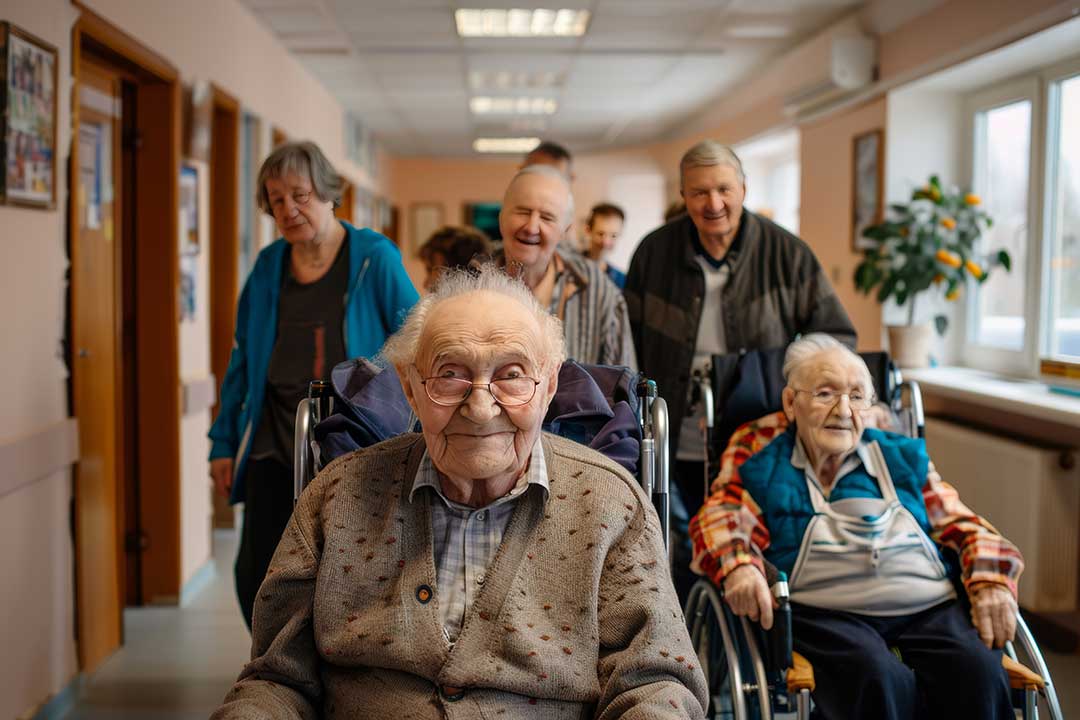
While these activities are not medical interventions, research and experience in the city suggest that consistent engagement in hobbies enhances quality of life for many seniors.
Are There Considerations for Outdoor Creative Activities?
Outdoor hobbies such as gardening, photography, or nature sketching are enjoyed during warmer months in Phoenixville. Residents benefit from fresh air and the city’s changing seasons, but it’s necessary to consider safety and accessibility.
Popular outdoor options include:
- Raised garden beds for planting vegetables, herbs, or flowers
- Short nature walks with notepads or cameras to observe local birds, trees, or landscapes
- Seasonal craft sessions on patios, including leaf pressing in autumn or decorating planters in spring
Seniors should be mindful of sun exposure, hydration, and accessibility, especially during summer heat or icy winter conditions. Most communities prioritize secure, easy-to-navigate outdoor spaces to support these interests.
What Materials Are Most Useful for Creative Hobbies in Assisted Living?
Simple, safe, and easily shared materials make creative hobbies successful in an assisted living environment. Supplies are often chosen for their comfort, ease of use, and minimal mess.
Commonly used items include:
- Watercolor or colored pencils, washable markers, and sketch pads
- Yarn, simple patterns, and large-handled crochet hooks
- Journaling notebooks, pens with easy-grip barrels, and scrapbooking materials
- Fabric remnants, large buttons, and safe scissors for craft projects
- Small pots, potting soil, gloves, and watering cans for indoor gardening
Organizing supplies into labeled bins or trays makes participation more inviting, particularly for residents who may need visual cues or reminders.
Are There Common Misconceptions About Creative Hobbies in Assisted Living?
A frequent misconception is that creative hobbies are just “arts and crafts for kids” or limited to simple activities. In reality, creative hobbies span a broad range suited to all interests and abilities. Residents may explore sophisticated art forms, take up new writing challenges, or enjoy hands-on crafts that require skill and planning.
Additionally, participation does not require prior artistic talent or experience. The goal is enjoyment, connection, and self-expression, rather than producing “perfect” finished pieces. Many seniors rediscover hobbies they enjoyed earlier in life or try entirely new pursuits in the supportive environment of the city’s assisted living communities.
