

Dementia changes memory, judgment, communication, and the ability to manage familiar routines. In assisted living, effective support is less about correcting every mistake and more about creating a predictable, respectful environment that helps a resident remain safe, comfortable, and involved.
Families in Phoenixville, PA often want to know what daily support should look like, how to communicate with staff, and when changing needs may require a different level of care. The answers depend on the person’s diagnosis, abilities, health conditions, and preferences, but several principles apply broadly.
What does good dementia support in assisted living involve?
Good support combines safety, routine, personal connection, and individualized care. Staff should learn the resident’s history, habits, communication style, and preferences rather than treating dementia as a single set of behaviors.
Helpful support may include:
- Assistance with bathing, dressing, toileting, eating, and medications
- Simple reminders and step-by-step guidance
- A consistent daily schedule
- Supervision during activities and movement through the building
- Monitoring for falls, dehydration, weight loss, pain, infection, and sleep changes
- Opportunities for conversation, music, exercise, outdoor time, and familiar tasks
- Calm responses to confusion, repetition, or distress
A resident may be able to complete part of a task but need help starting or finishing it. For example, placing clothing in the order it should be worn may allow the person to dress more independently than simply taking over.
How should family members communicate with a loved one who has dementia?
Short, calm communication usually works better than long explanations or repeated corrections. Approach from the front, use the person’s name, make eye contact, and speak in a natural tone.
Helpful techniques include:
- Ask one question at a time.
- Offer two simple choices instead of an open-ended question.
- Allow extra time for an answer.
- Use familiar words and concrete directions.
- Avoid arguing about a mistaken belief.
- Acknowledge the emotion behind a statement, even when the facts are incorrect.
- Redirect gently when a conversation becomes frustrating.
If a resident says, “I need to go home,” arguing that the person already lives in assisted living may increase distress. A response such as, “You are thinking about home. Tell me what you miss most,” may reveal whether the person is lonely, tired, looking for a familiar object, or worried about a particular responsibility.
Why are routines so helpful?
A predictable routine reduces the number of decisions a person must make. Meals, medications, bathing, activities, rest, and bedtime should follow a generally consistent pattern, while still allowing flexibility.
Sudden changes can be especially difficult. Families can help by informing staff about lifelong habits, such as:
- Preferred waking and sleeping times
- Foods commonly refused or enjoyed
- Religious or cultural practices
- Past occupations and hobbies
- Names used for family members
- Former responsibilities, such as gardening, cooking, sorting, or caring for pets
These details can become useful forms of engagement. A resident who once kept financial records may enjoy sorting cards or organizing safe household items. Someone who enjoyed gardening may respond well to watering plants or handling soil indoors during colder months.
How can assisted living reduce wandering and falls?
Wandering is often communication rather than intentional misbehavior. A resident may be searching for a person, trying to complete an old routine, responding to boredom, or experiencing anxiety. Staff should look for patterns, including the time of day, location, preceding activity, and possible triggers.
Fall prevention requires more than removing loose rugs. Important factors include:
- Proper footwear and adequate lighting
- Clear walking paths
- Handrails and accessible seating
- Review of medications that may cause dizziness or sleepiness
- Attention to vision, hearing, hydration, and toileting needs
- Supervision during transfers and unfamiliar activities
- Prompt evaluation after a fall or sudden change in walking
In the Phoenixville area, seasonal conditions also deserve attention. Wet entryways, winter ice, shorter daylight hours, and bulky clothing can make movement more difficult. Residents who go outdoors should have weather-appropriate clothing, safe footwear, and supervision suited to their abilities.
What should families ask the assisted living staff?
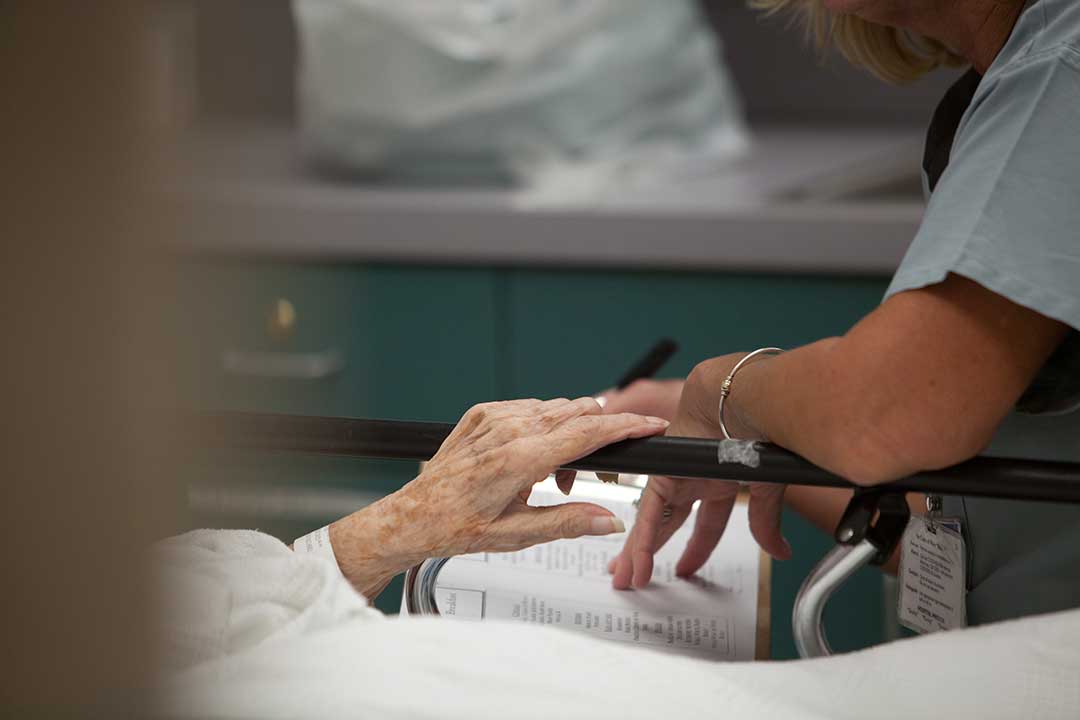
Families should ask specific questions rather than relying only on a general description of dementia care. Useful questions include:
- How is a new resident’s routine learned and documented?
- What happens if the resident refuses bathing, medication, meals, or care?
- How are changes in behavior reported to family members?
- How does the residence respond to nighttime confusion?
- What is the process after a fall, illness, or sudden decline?
- How are activities adapted for different cognitive and physical abilities?
- How are emergency contacts and advance directives kept current?
- What signs indicate that the resident may need more supervision?
It is also reasonable to ask how often care plans are reviewed and whether family observations can be added. A pattern noticed during visits—such as repeated requests to leave, increased sleep, or difficulty chewing—may help staff identify a health or emotional concern.
What if a person becomes upset, resistant, or aggressive?
Behavioral changes often have an underlying cause. Pain, constipation, urinary problems, hunger, fatigue, overstimulation, fear, medication effects, and unfamiliar surroundings can all contribute. Dementia may make it difficult for a resident to explain the problem directly.
The first response should be to reduce stimulation and protect everyone’s safety. Staff may speak quietly, create physical space, remove an audience, and pause the task. Later, they can look for what happened immediately before the behavior.
Correction and confrontation may worsen the situation. If a resident resists a shower, for example, the cause could be cold air, embarrassment, unfamiliar staff, fear of falling, or a preference for a different time of day. Changing the approach may work better than insisting on immediate completion.
Sudden aggression, severe confusion, unusual sleepiness, or a rapid decline should not automatically be attributed to dementia. These changes can signal infection, medication problems, dehydration, pain, or another medical issue and should be reported promptly.
How can families support nutrition, hydration, and meaningful activity?
Eating and drinking may become harder as dementia progresses. A person may forget a meal, lose interest, have trouble using utensils, or fail to recognize thirst. Familiar foods, smaller portions, easy-to-handle items, and a quiet dining environment may help.
Families can ask whether staff are tracking weight, fluid intake, swallowing concerns, and dental problems. Changes in appetite should be discussed rather than treated as an unavoidable part of dementia.
Meaningful activity does not need to be complicated. Good options match the person’s abilities and past interests:
- Folding towels
- Looking through labeled family photographs
- Listening to familiar music
- Taking a supervised walk
- Reading short articles aloud
- Arranging flowers or caring for plants
- Joining a small group rather than a crowded activity
The goal is participation, not performance. A resident may benefit even if the activity is completed differently than it would have been in the past.
How should families prepare for changing care needs?
Dementia is progressive, so care needs may change over time. A person who once needed reminders may later require hands-on assistance, closer supervision, help with eating, or more support at night.
Families should keep medical information, medication lists, emergency contacts, legal documents, and care preferences updated. Discussions about advance directives, health-care decision-making, hospitalization preferences, and end-of-life wishes are easier before a crisis occurs.
The most useful partnership is based on regular, specific communication. Families can share what they observe, ask what staff are seeing, and focus on practical solutions that preserve dignity. Assisted living support works best when the resident is understood as a whole person—not defined only by memory loss or challenging moments.
